
Overview
The ketogenic diet was originally developed in the 1920s at the Mayo Clinic as a treatment for epilepsy. It drastically cuts carbohydrate intake — typically to under 20–50 g per day — and replaces those calories with fat. Within 2–4 days of sustained carb restriction, the liver begins converting fatty acids into ketone bodies, an alternative fuel your brain and muscles can run on.
This metabolic state, called ketosis, shifts your body from being primarily a sugar-burner to a fat-burner. The result is rapid initial weight loss (much of it water at first), significantly reduced hunger, and stable energy without the post-meal crashes that high-carb meals can cause.
What the science says
- A 2013 meta-analysis in the British Journal of Nutrition (13 RCTs, 1,577 participants) found keto dieters lost an average of 2 kg more than low-fat dieters over 12+ months.
- A 2018 Diabetes Therapy study showed keto reduced HbA1c by 1.0 % in type 2 diabetics over 12 months, with 60 % of participants reducing or eliminating diabetes medication.
- Ketones (especially beta-hydroxybutyrate) have been shown to cross the blood-brain barrier and may improve mental clarity and focus.
- The first 1–2 weeks can bring 'keto flu' (headache, fatigue, irritability) as your body adapts — electrolyte supplementation helps.
Ketosis is measurable: urine strips, breath meters or blood ketone monitors can confirm you're in the 0.5–3.0 mmol/L range.
What to eat
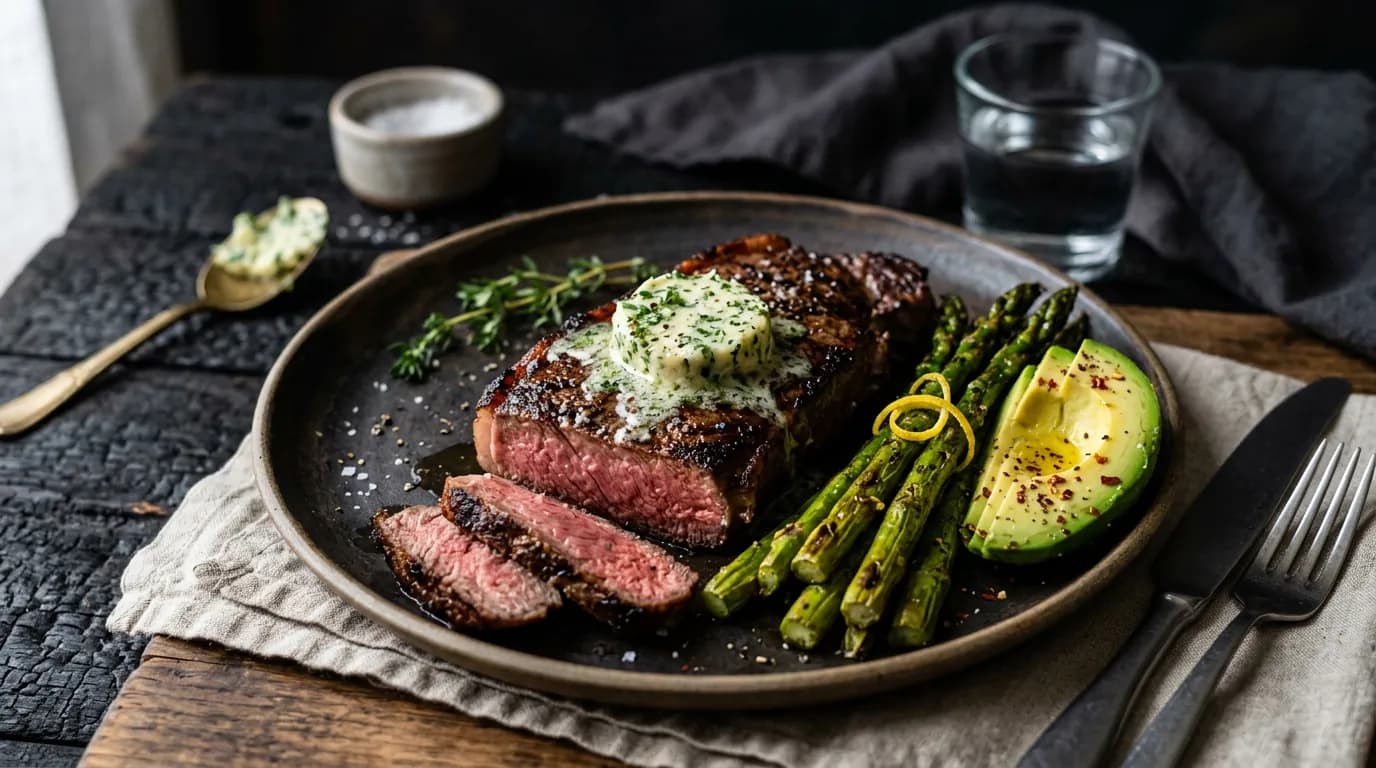
- Fatty meats — ribeye steak, lamb shoulder, pork belly, salmon, sardines.
- Oils and fats — extra-virgin olive oil, coconut oil, avocado oil, butter, ghee.
- Full-fat dairy — heavy cream, hard cheeses (Parmesan, cheddar), cream cheese.
- Low-carb vegetables — spinach, kale, arugula, broccoli, cauliflower, zucchini, asparagus.
- Nuts and seeds — macadamia (lowest carb), pecans, almonds, chia seeds, flaxseeds.
- Eggs — a keto staple; virtually zero carbs and high in choline.
- Berries in small amounts — 50 g of raspberries has only ~3 g net carbs.
What to avoid
- All grains and starches — wheat, rice, pasta, cereal, bread, couscous.
- Sugar in any form — soda, fruit juice, honey, maple syrup, cake, candy, ice cream.
- Most fruits — bananas, grapes, mangos and dried fruit are especially high in sugar.
- Root vegetables — potatoes, sweet potatoes, carrots and beets.
- Legumes — beans, lentils, chickpeas, peanuts.
- Low-fat and 'diet' products — these often replace fat with sugar.
Tips for success
- Track net carbs (total carbs minus fibre) rather than total carbs — it's more accurate.
- Keep electrolytes up: add salt liberally, eat avocado for potassium, and consider a magnesium supplement.
- Meal-prep fatty snacks (cheese crisps, boiled eggs, nut butter) so you're never caught hungry.
- Give it at least 3–4 weeks before judging — full keto-adaptation takes time.
Who it's best for
- People aiming for rapid fat loss who can commit to strict carb limits.
- Those with insulin resistance or type 2 diabetes (under medical supervision).
- Anyone who feels better on higher-fat, lower-carb meals and doesn't miss bread and pasta.
This guide is general information, not medical advice. Talk to a doctor or registered dietitian before you change how you eat, especially if you’re pregnant, take medication or manage a health condition.
Updated: