
Overview
Tayyibat (طيبات) means 'pure and wholesome' in Arabic. This diet draws on traditional wisdom about eating clean, natural food in its most unprocessed state. It shares principles with the Autoimmune Protocol (AIP) and ancestral eating patterns, strictly excluding food groups known to trigger inflammation, digestive distress or autoimmune responses in sensitive individuals.
The philosophy is simple: if it grew naturally and was eaten for generations, it belongs on your plate. Nightshades, legumes, citrus and fermented dairy are removed not because they are inherently bad, but because they contain compounds (solanine, lectins, citric acid, histamine) that provoke reactions in a meaningful percentage of people.
What the science says
- A 2017 study in Inflammatory Bowel Diseases found that an AIP-style elimination diet led to clinical remission in 73 % of participants with Crohn's disease within 6 weeks.
- Nightshade alkaloids (solanine, capsaicin) have been shown to increase intestinal permeability in sensitive individuals, potentially triggering autoimmune flares.
- Lectins in raw or undercooked legumes can damage the gut lining; while cooking reduces them, complete avoidance is the safest path for those with existing gut issues.
- A 2019 review in Nutrients found that elimination diets followed by systematic reintroduction helped 60–80 % of IBS patients identify their specific food triggers.
Tayyibat is designed as an elimination phase. After 30–90 days, you can carefully reintroduce one food group at a time to see what your body truly reacts to.
What to eat
- Clean proteins — pasture-raised beef, lamb, chicken; wild-caught fish (salmon, cod, sardines).
- Non-nightshade vegetables — leafy greens (spinach, kale), cruciferous (broccoli, cauliflower), zucchini, carrots, cucumber, onions, garlic.
- Healthy fats — extra-virgin olive oil, avocado oil, coconut oil, butter, ghee, animal tallow.
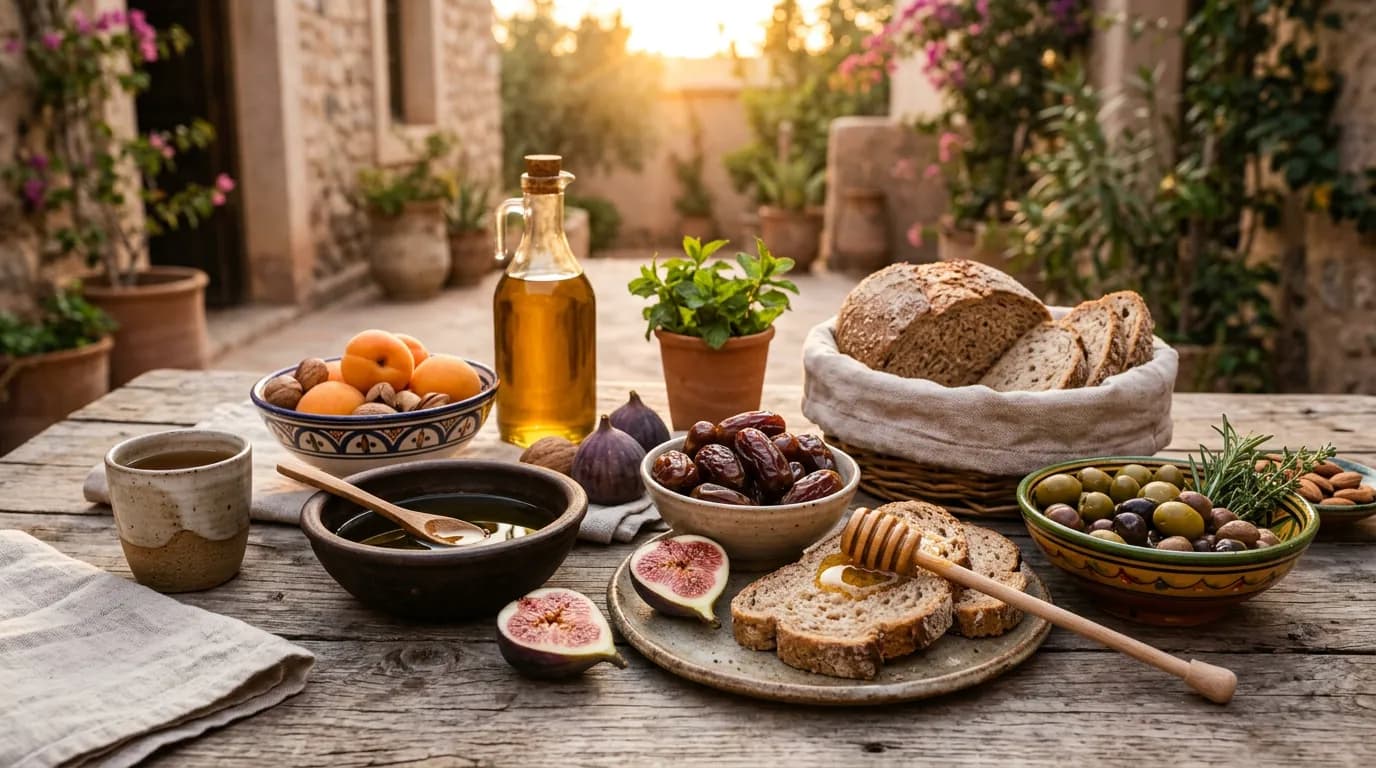
- Non-citrus fruits — apples, pears, berries, watermelon, bananas, dates, figs.
- Safe starches — sweet potatoes, yams, butternut squash, white rice.
- Bone broth — rich in collagen and amino acids that support gut repair.
- Herbs and mild spices — turmeric, ginger, cinnamon, cumin, coriander, mint.
What to strictly avoid
- Nightshades — tomatoes, all peppers (bell, chilli, cayenne), aubergine, white potatoes, paprika, goji berries.
- All legumes — lentils, chickpeas, beans (kidney, black, white), peas, soy, peanuts.
- Citrus fruits — lemons, limes, oranges, grapefruit, mandarins.
- Fermented or aged dairy — yogurt, kefir, aged cheese, sour cream, buttermilk.
- Processed meats — sausage, bacon, salami, deli meats, merguez.
- Industrial seed oils — sunflower, soybean, canola, corn oil.
- Artificial additives — preservatives, colourings, flavour enhancers, MSG.
Tips for success
- Batch-cook proteins and safe starches on the weekend so weekday meals are quick.
- Season generously with permitted spices — turmeric, cumin and cinnamon keep meals flavourful.
- Keep a food diary during the elimination phase to track how you feel day to day.
- After 30–90 days, reintroduce one excluded group every 3 days and note any symptoms.
Who it's best for
- People with autoimmune conditions (rheumatoid arthritis, Hashimoto's, IBD) seeking dietary relief.
- Those with chronic digestive issues (bloating, IBS) who haven't found their triggers.
- Anyone who values eating pure, naturally sourced food aligned with traditional principles.
- People willing to follow a strict elimination phase for meaningful diagnostic insight.
This guide is general information, not medical advice. Talk to a doctor or registered dietitian before you change how you eat, especially if you’re pregnant, take medication or manage a health condition.
Updated: