
Overview
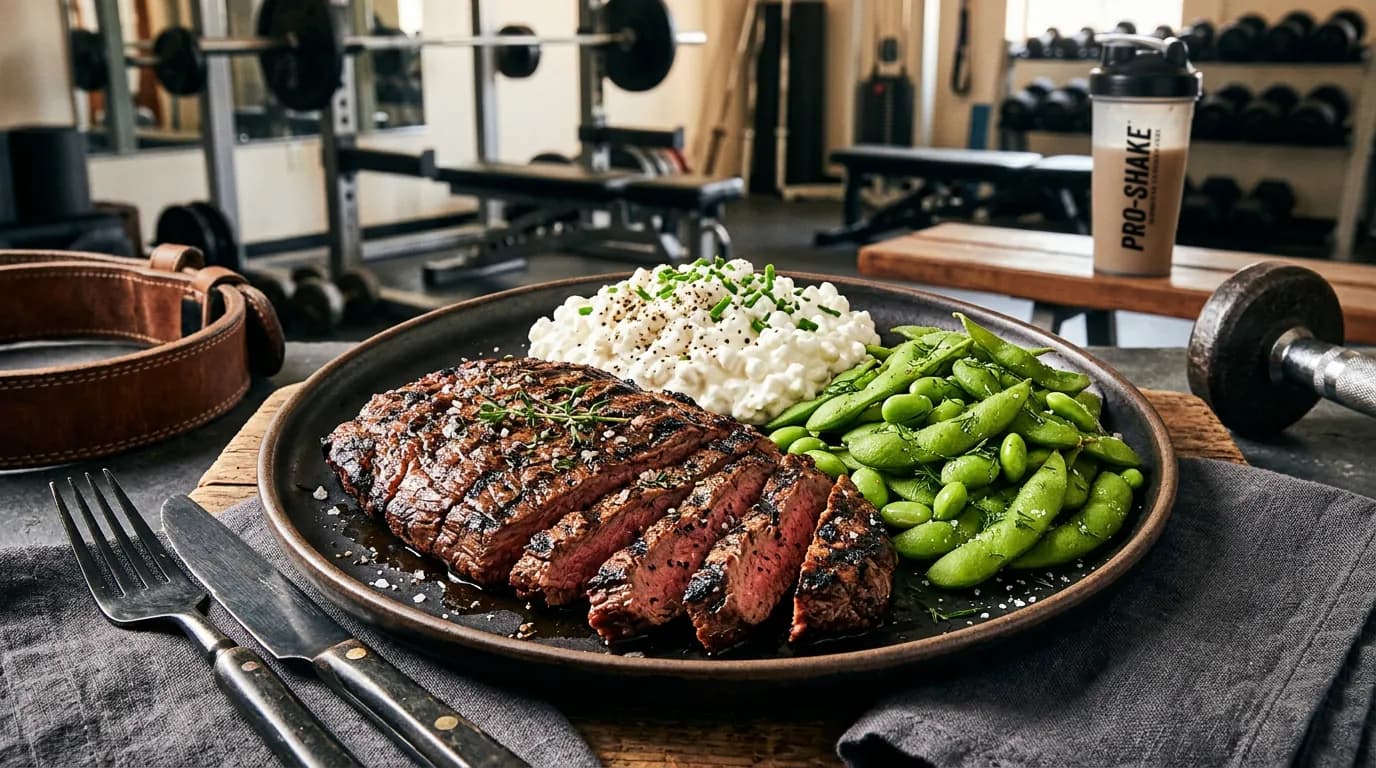
A high-protein diet shifts the macro balance toward protein — typically 1.6–2.2 g per kilogram of body weight, or about 30–40 % of daily calories. Protein is the most satiating macronutrient, meaning it keeps you full longer, and it has the highest thermic effect: your body burns 20–30 % of protein calories just digesting them, compared to 5–10 % for carbs and 0–3 % for fat.
This diet is especially popular among athletes, bodybuilders and anyone in a fat-loss phase who wants to preserve lean muscle. Because protein protects muscle tissue from being broken down for energy, it's the single most important macro to keep high when eating in a calorie deficit.
What the science says
- A 2015 meta-analysis in the American Journal of Clinical Nutrition found that higher protein intake preserved 0.7 kg more lean mass during weight loss compared to normal protein intake.
- Protein's thermic effect means that a 2,000 kcal high-protein diet effectively absorbs ~150–200 fewer net calories than a high-carb diet at the same total.
- A 2020 study in the Journal of Obesity & Metabolic Syndrome found that high-protein diets increased satiety hormones (PYY, GLP-1) by 25–30 % compared to standard diets.
- The International Society of Sports Nutrition recommends 1.4–2.0 g protein/kg/day for physically active individuals.
Spreading protein across 3–4 meals (25–40 g each) is more effective for muscle protein synthesis than eating it all in one sitting.
What to eat
- Poultry — chicken breast (31 g protein per 100 g), turkey breast, ground turkey.
- Fish and seafood — tuna (30 g/100 g), salmon, cod, shrimp, tilapia.
- Red meat — lean beef (sirloin, tenderloin), bison, lamb.
- Eggs — whole eggs for choline and healthy fats, plus egg whites for pure protein.
- Dairy — Greek yogurt (10 g/100 g), skyr, cottage cheese, whey protein.
- Plant proteins — lentils, chickpeas, edamame, tofu, tempeh, quinoa.
- Supplements if needed — whey, casein or plant-based protein powders.
What to limit
- Empty calories — sugary drinks, candy, chips, pastries.
- Excess refined carbs — white bread, sweetened cereal, instant noodles.
- Processed meats as your primary protein — bacon, sausage and hot dogs are high in sodium and preservatives.
- Alcohol — it inhibits muscle protein synthesis and adds empty calories.
Tips for success
- Front-load protein at breakfast — eggs, Greek yogurt or a shake; it reduces cravings all day.
- Keep ready-to-eat protein on hand — pre-cooked chicken, hard-boiled eggs, protein bars.
- Pair protein with fibre (vegetables, berries) at every meal for sustained fullness.
- If you strength-train, eat protein within 2 hours post-workout to maximise recovery.
Who it's best for
- People who strength-train or do high-intensity exercise regularly.
- Anyone in a calorie deficit who wants to lose fat without losing muscle.
- Older adults looking to combat age-related muscle loss (sarcopenia).
- Those who struggle with hunger on other diets — protein is the strongest natural appetite suppressant.
This guide is general information, not medical advice. Talk to a doctor or registered dietitian before you change how you eat, especially if you’re pregnant, take medication or manage a health condition.
Updated: